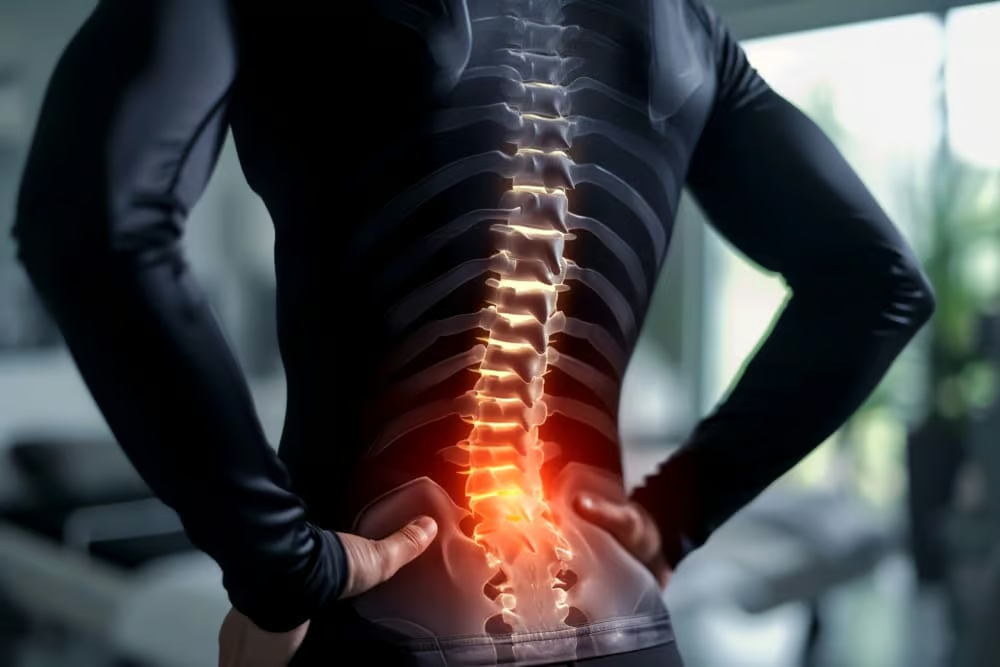
Lower back pain is one of the most common musculoskeletal complaints, affecting millions of people worldwide. Whether it’s caused by poor posture, an injury, or chronic conditions, lower back pain can significantly impact daily life. Fortunately, a comprehensive approach to care offers a range of evidence-based treatments to alleviate pain, restore mobility, and prevent future injuries.
Here are the top 5 treatments medical providers commonly recommend for lower back pain.
1. Core Strengthening
One of the most effective ways to relieve and prevent lower back pain is by strengthening the core. The core isn’t just about abs—it includes deep stabilizing muscles in the abdomen, back, and pelvis that provide crucial support to the spine.
A strong core reduces pressure on the lower back, helping to alleviate pain and prevent future flare-ups. Our MedX lumbar extension device is designed specifically to increase low back muscle strength while being used at home. The device also stabilizes the pelvis to prevent hip and leg muscles from being activated during at-home sessions - thereby focusing muscle rebuilding where it's needed most. The MedX lumbar extension device increases the cross sectional area of the paraspinal and multifidus muscles to reverse weakness.
2. Stretching and Flexibility Rehab
Tight muscles in the lower back, hamstrings, and hips can contribute to pain and limited mobility. A customized stretching routine can help reduce stiffness, improve flexibility, and support proper spinal alignment.
Our MedX lumbar extension device improves the flexibility of the multifidus muscles and also promotes improved circulation, further helping to improve range of motion in the lower back. MedX is often combined with stretching routines that may include stretches such as:
- Knee-to-Chest Stretch – Relieves tension in the lower back.
- Cat-Cow Stretch – Enhances spinal mobility and flexibility.
- Child’s Pose – Gently stretches the lower back and promotes relaxation.
- Hamstring Stretch – Reduces tightness in the back of the legs that may pull on the lower back.
Stretching regularly can improve posture, relieve pain, and increase range of motion.
3. Manual Therapy (Hands-On Techniques)
Physical therapists often use hands-on techniques, known as manual therapy, to improve mobility, reduce muscle tension, and enhance blood circulation in the lower back. Common manual therapy techniques include:
- Soft Tissue Mobilization (Massage) – Helps relieve tightness and improve flexibility.
- Joint Mobilization – Reduces stiffness in the spine by gently moving the vertebrae.
- Trigger Point Therapy – Targets muscle knots to decrease tension and pain.
Manual therapy is particularly beneficial for those with chronic lower back pain, sciatica, or muscle imbalances.
4. Postural Training and Ergonomic Adjustments
Poor posture can be a major contributor to lower back pain, especially for people who spend long hours sitting at a desk or standing. Physical therapists educate patients on proper posture and recommend ergonomic adjustments to reduce strain on the lower back.
The problem can be particularly severe for desk-based jobs. It is important to adjust chairs, desks, and computer screens to promote a healthy posture. You should also stand up and move every 30-60 minutes to promote blood flow and limit muscle atrophy. Many physical therapists also recommend lumbar support cushions and standing desks to support spinal health.
5. Low-Impact Aerobics
Whenever possible, aerobics are an essential element for maintaining overall spinal health and reducing lower back pain. Engaging in low-impact activities helps increase blood flow to the spine, reduce stiffness, and promote healing. On a basic level, daily walking can be a very effective way to improve spinal mobility. More extensive plans may include swimming, water therapy, elliptical or cycling for both muscle toning and cardiovascular benefits.
Physical therapists often incorporate aerobics into treatment plans to improve endurance and prevent back pain from recurring.
A Holistic Approach to Lower Back Pain
By combining core strengthening, flexibility training, manual therapy, postural training, and aerobics, many people can achieve lasting pain relief and improve the health of their lower spine.
If you're struggling with lower back pain, consult a medical professional to develop a personalized treatment plan tailored to your specific needs. With the right approach, you can regain mobility, reduce discomfort, and enjoy a pain-free life.